More kit photos (2)
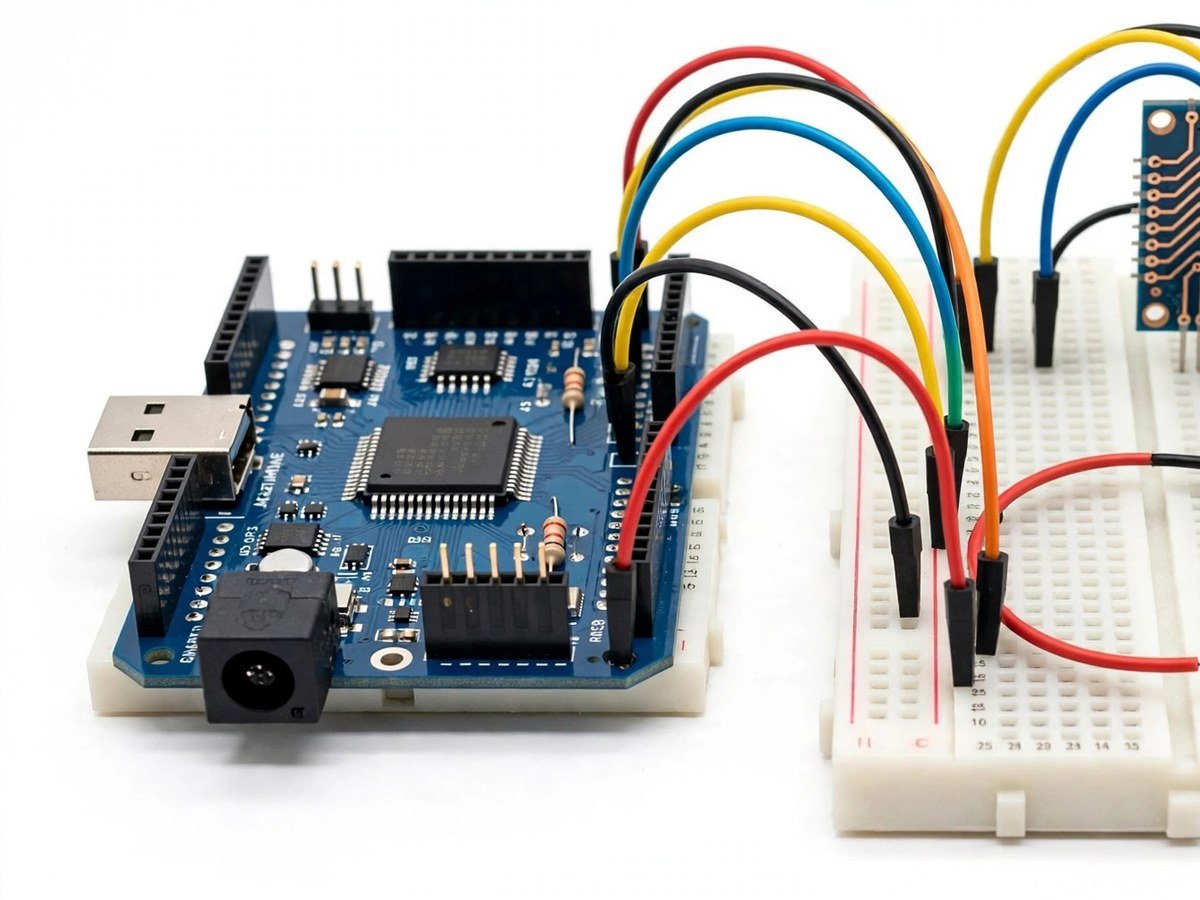
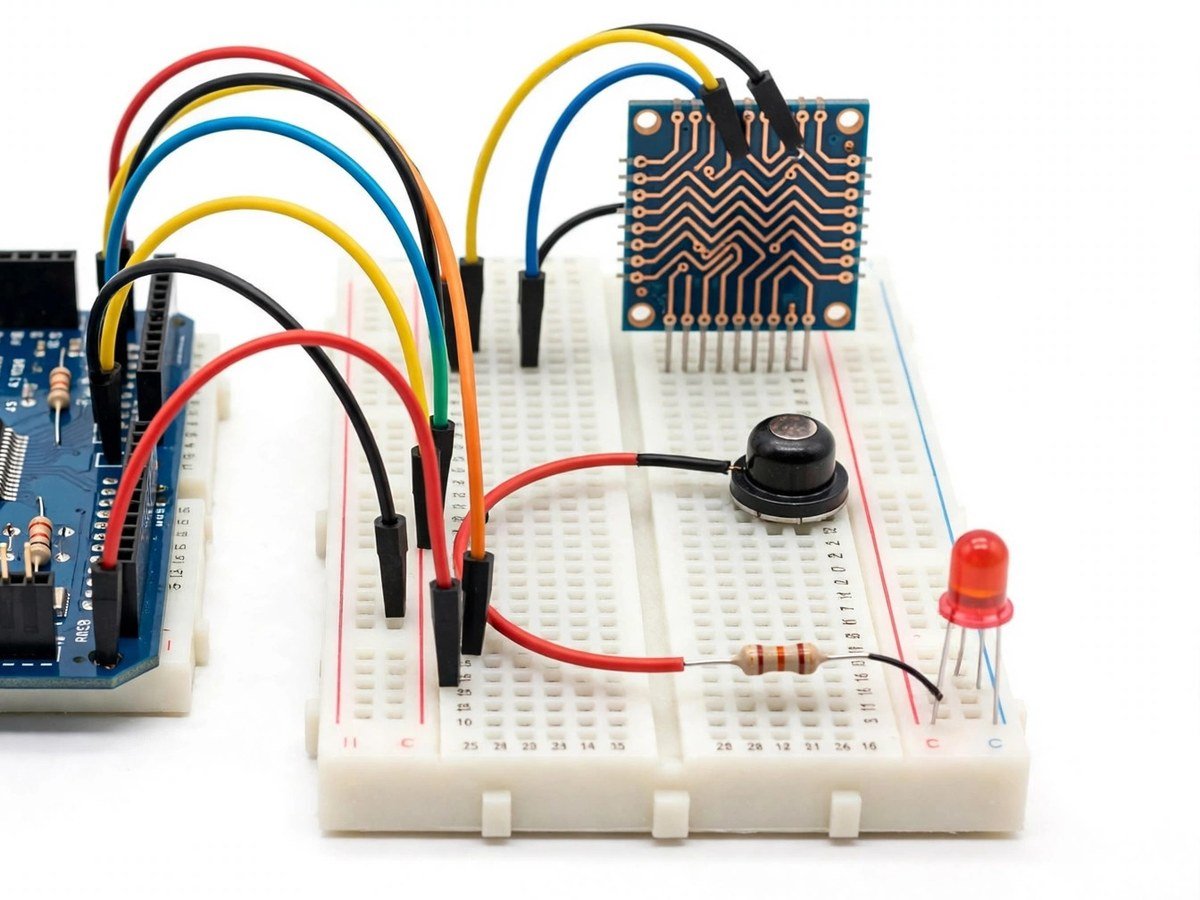
Build time: 45–60 minutes · Soldering: No
The Problem
Rain is something every student has watched, but the step from wet ground to a working alarm is invisible. A rain sensor plate looks like a plain board with copper lines, and nothing about it says alarm until water closes the gap between those lines. This kit makes that step visible. When water lands on the plate, the reading changes, the threshold is crossed, and a buzzer and LED fire together. The class can test the edges of the idea for itself: a single drop, a damp plate, a plate wiped dry again. That is the whole point of a sensor alarm — a physical change, a number, a decision — and it is the same chain behind the smoke, temperature, and gas alarms in the rest of this set.
How It Works
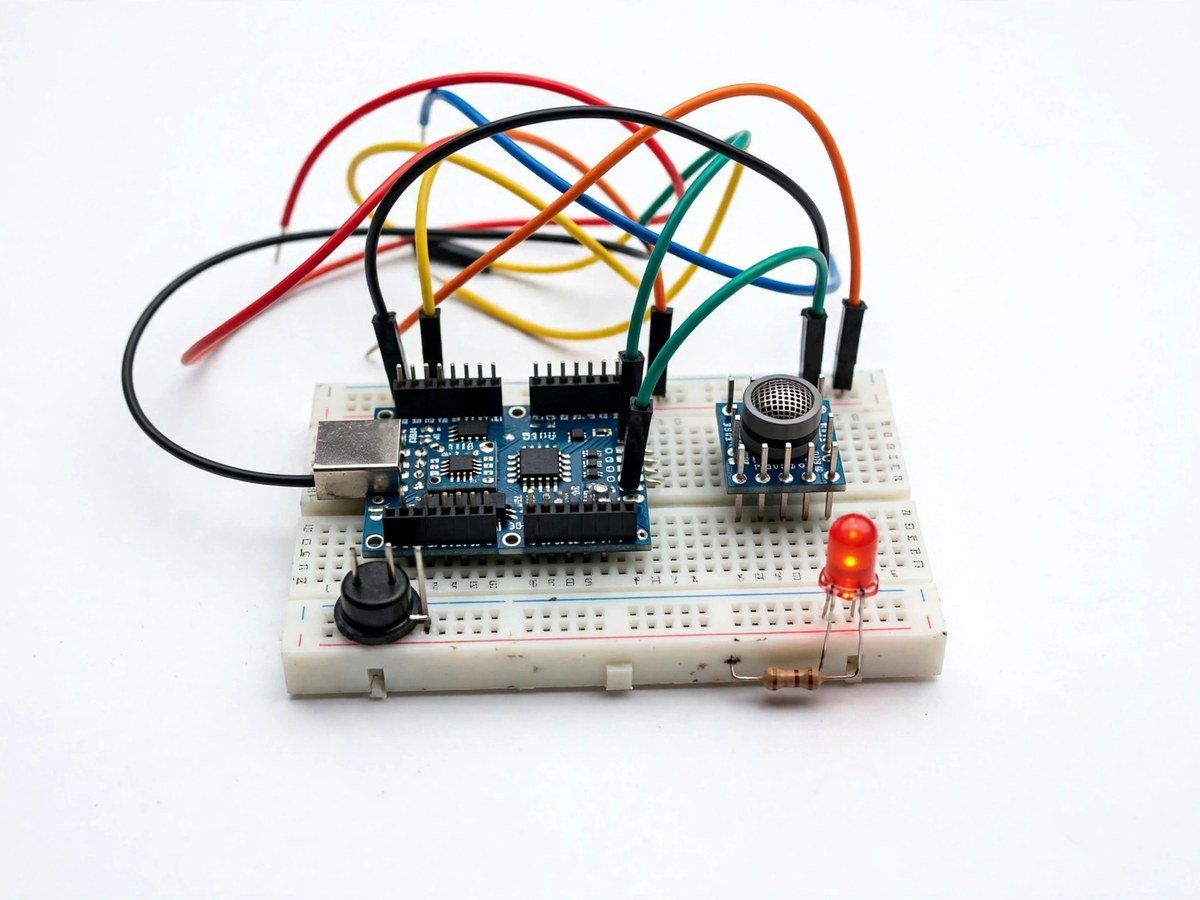
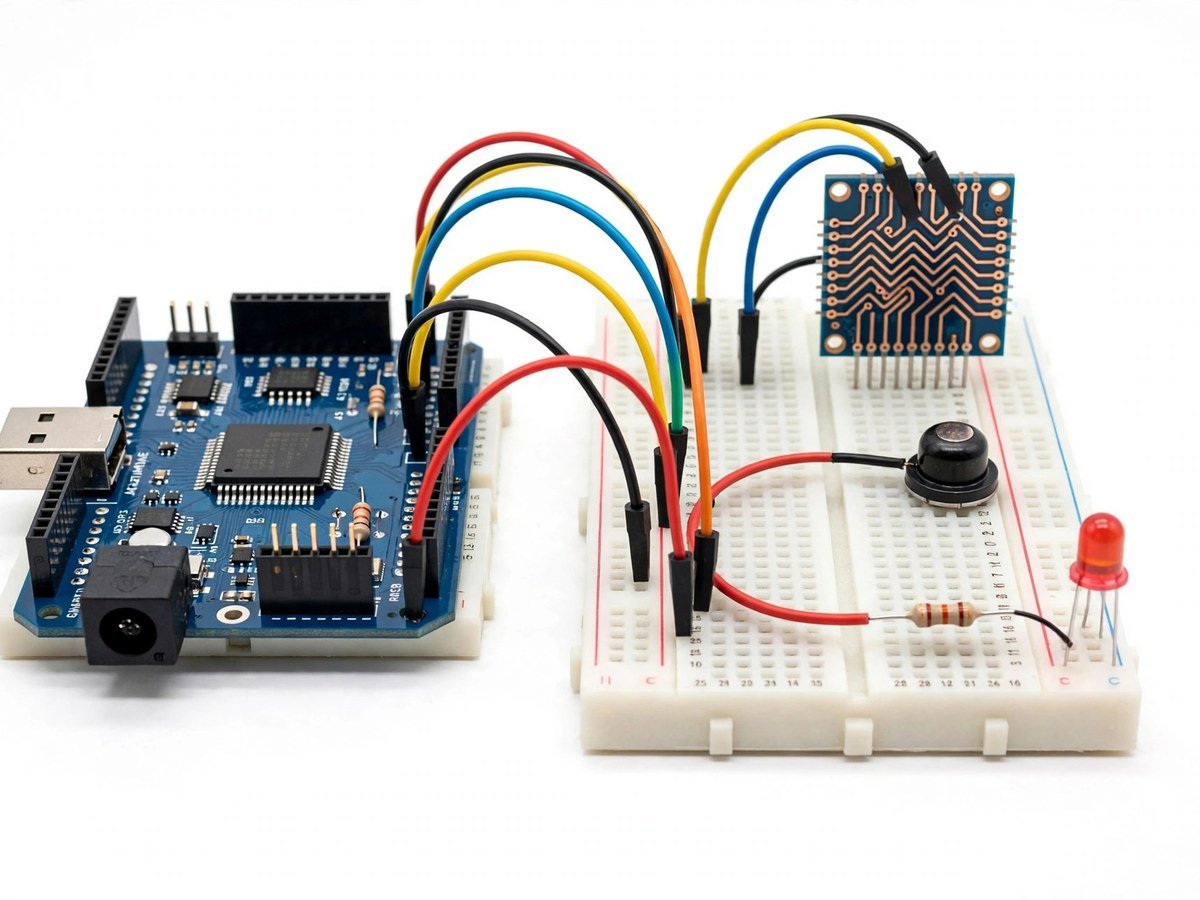
- Connect the rain sensor plate, buzzer, and LED to the board through the breadboard, following the wiring guide.
- Upload the ready code and record the dry-plate reading first, with no water on the plate.
- Sprinkle a few drops of water on the plate and watch the buzzer and LED fire.
- Wipe the plate dry and check that the alarm stops.
- Set the alarm threshold between the dry reading and the wet reading, as a class decision.
- Test a damp plate: does it cross the threshold the class set, or sit below it?
- Discuss the trade-off: a low threshold fires early but also fires for damp air, while a high threshold waits for real rain.
- Dry the plate fully and pack the sensor back carefully, so the next class starts from a dry reading.
Features
- A rain sensor plate, so the class works with real water drops, not a pretend sensor.
- A buzzer and LED that fire together above the threshold.
- A class-set threshold, so students decide what counts as rain.
- Dry, damp, and wet comparisons, so the threshold discussion has real readings behind it.
- Breadboard and pre-wired modules only, so the classroom build needs no soldering.
What Is Included
- Arduino-compatible board
- Rain sensor plate
- Buzzer
- LED
- Breadboard
- Jumper wires
- Battery holder
Every pack also includes: all parts tested before dispatch; step-by-step assembly guide in English and Marathi; ready code where code is needed; a teacher guide with 3 classroom activities, common mistakes, and answers; spare jumper wires and a spare sensor or LED where the part is fragile; and WhatsApp support for the teacher.
Demo video: no video link is shown on this page yet. A demo video link will be added here only when a real video for this kit exists.
Tech Stack
- Arduino-compatible board
- Rain sensor plate
- Buzzer
- LED
- Breadboard
Specifications
| Parameter | Value |
|---|---|
| Controller | Arduino-compatible board |
| Main sensor | Rain sensor plate |
| Alarm outputs | Buzzer + LED |
| Power | Battery holder (batteries as supplied in the pack) |
| Build time | 45–60 minutes |
| Soldering | No |
| Coding level | Ready code; threshold is set as a class decision |
| Phone or computer needed | Computer only to upload the ready code once |
| Wi-Fi needed | No |
Limitations
- This is a classroom demonstration. It is not a weather instrument, and it must not be used to decide real rain protection for people, buildings, or equipment.
- The plate reacts to water on its surface. Damp air, a wet finger, or a spill can also raise the reading, which is why the threshold discussion matters.
- Water and electronics must be kept apart. Only the sensor plate gets wet; the board, battery holder, and wiring stay dry, and the teacher should supervise the water test.
- Readings change as the plate dries. The dry reading must be recorded fresh at the start of each lesson.
Frequently Asked Questions
Do students need to know coding?
No. Ready code is included. The class decision is the threshold.
Why does the alarm sometimes fire when it is not raining?
The plate reacts to any water on its surface, including dampness and spills. That is a real sensor limit, and a good classroom discussion.
Can this kit predict rain?
No. It detects water already on the plate. It does not forecast weather and it does not measure how much rain will fall.
Is soldering needed?
No. The classroom version uses a breadboard and pre-wired modules.